01
External Penetration Testing
Evaluate internet-facing systems, exposed services, application entry points, remote access, and exploitable perimeter weaknesses.

DBT helps organizations identify exploitable weaknesses, validate security controls, and prioritize remediation before attackers can take advantage of exposed systems, credentials, or misconfigurations.

DBT helps Kentucky organizations understand which weaknesses are actually exploitable, how attackers could move through the environment, and what remediation work should be prioritized first. The goal is practical risk reduction for IT, security, compliance, and leadership teams.
DBT penetration testing services are designed to identify exploitable attack paths and translate findings into actionable remediation priorities.
Evaluate internet-facing systems, exposed services, application entry points, remote access, and exploitable perimeter weaknesses.
Validate internal attack paths, credential misuse, lateral movement, privilege escalation, and segmentation weaknesses.
Identify identity-based risks such as weak passwords, excessive privilege, Kerberoasting exposure, and domain misconfigurations.
Review identity access paths, MFA gaps, misconfigurations, exposed SaaS services, and risky authentication workflows.
Move beyond scanner output by validating which vulnerabilities are exploitable and which create meaningful business risk.
Assess credential exposure, authentication weaknesses, and user-targeted attack paths when appropriate for the engagement.
Translate findings into prioritized recommendations that technical teams can act on and leadership can understand.
Validate that remediation actions have reduced exposure and that key weaknesses have been corrected.
Penetration testing helps organizations validate whether security controls, identity protections, patching, segmentation, monitoring, and response processes are working as expected. DBT keeps testing focused on practical exposure and business impact.
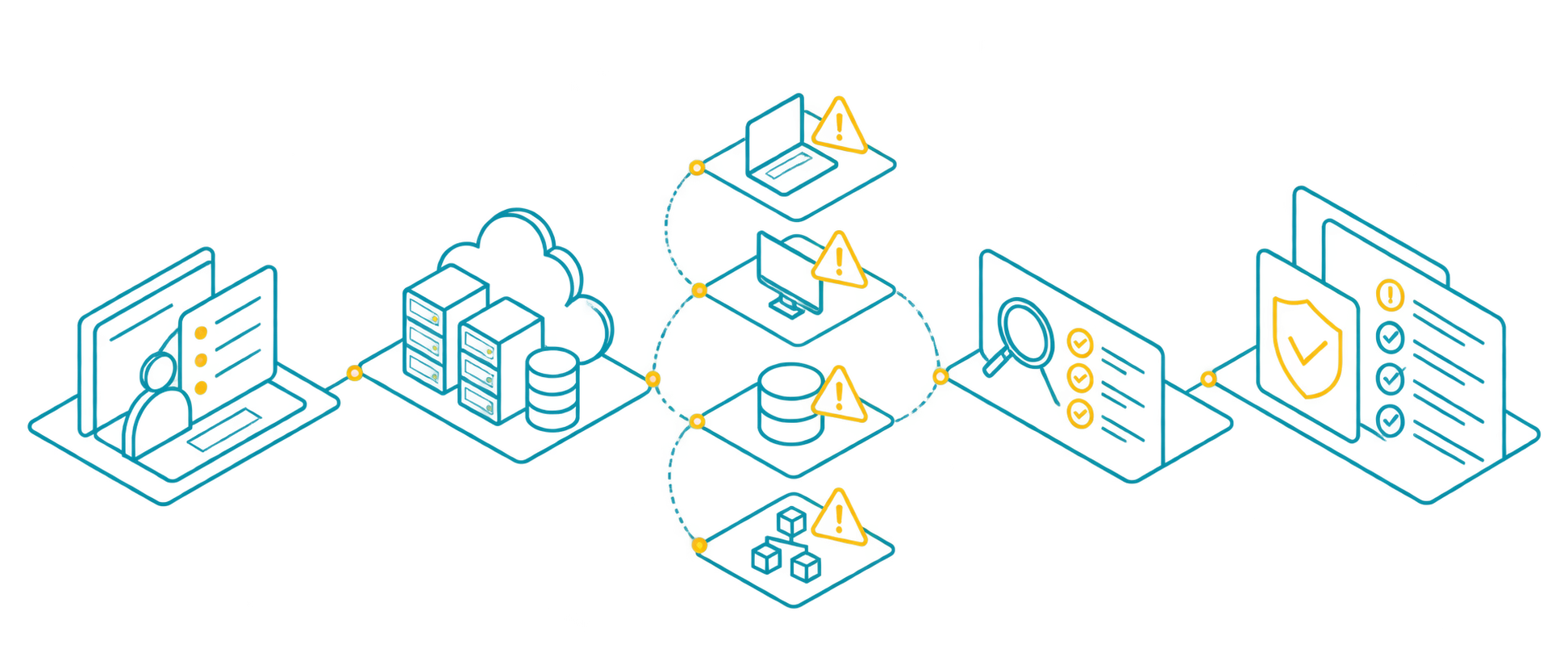
Testing results should help leadership understand risk, not just overwhelm technical teams with findings. DBT provides clear reporting, prioritization, and remediation guidance designed for both executives and IT teams.
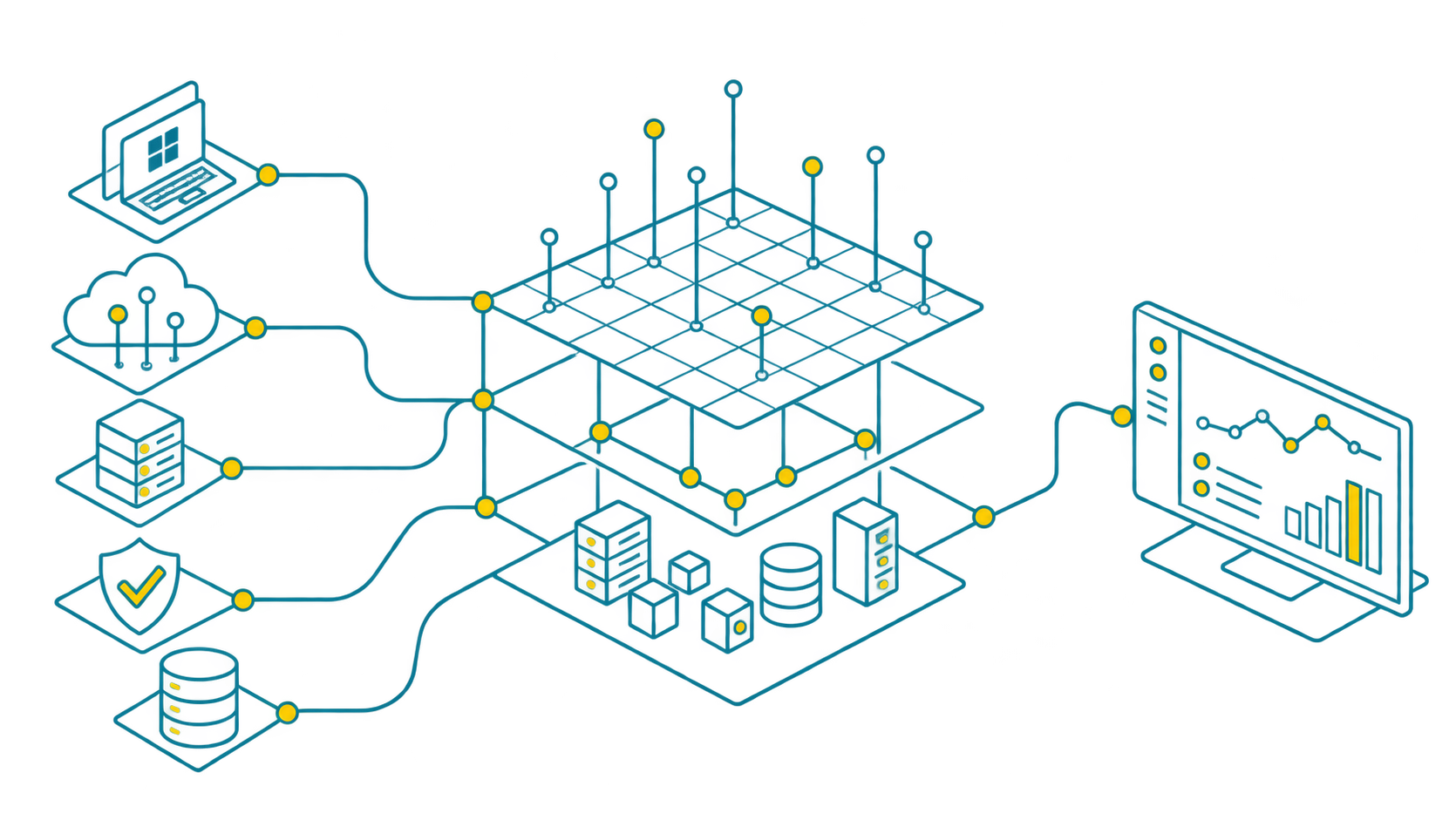
Validate controls, prioritize remediation, and reduce exploitable exposure across the systems that matter most.
Understand which weaknesses are actually exploitable and how they could affect operations or sensitive data.
Focus remediation effort on the findings that materially reduce risk instead of treating every scanner result the same.
Identify credential, privilege, MFA, Active Directory, and authentication weaknesses that attackers commonly exploit.
Support audit, cyber insurance, and security program expectations with evidence of independent testing.
Use findings to improve detection, patching, segmentation, access control, monitoring, and response readiness.
Provide executive-friendly reporting that explains business risk, likely impact, and next-step recommendations.
Related DBT Services
Penetration testing is most valuable when findings inform managed security operations, identity modernization, vulnerability management, and compliance readiness.
As DBT builds out formal case studies, these anonymized outcome examples preview the types of security, identity, compliance, and operational improvements the site should route visitors toward.
“DBT helped us modernize authentication, improve visibility, and strengthen our security posture without disrupting operations.”
“Their cybersecurity-first mindset is very different from a traditional MSP. The focus on operational risk and resilience has been invaluable.”
“DBT helped align our identity and compliance initiatives while improving the user experience. Their strategic guidance has been excellent.”
DBT’s Security Readiness Assessment helps identify gaps across cybersecurity operations, identity, compliance, infrastructure, monitoring, and resilience so your team can prioritize practical improvements.